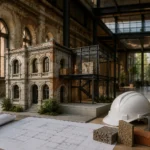
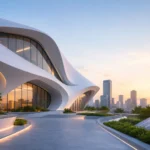
Architecture in 2026 is changing from pretty pictures to buildings that work hard. In 2026, experts will stop using old materials that hurt our air.
Following the trends of architecture in 2026 helps you keep your job as a builder. You must learn about new materials to stay smart and safe.
Moving to bio-integrated systems is now a very important rule. This guide shows you the best new ways to build things.
Visit https://tkmsa.ac.in/ to see how we teach these big changes. We help you master a tech-driven future in our modern design studios.
Beyond Concrete: Embracing Natural Building Materials and Bio-composites

To meet 2026 sustainability standards, architects must replace high-carbon materials like Portland cement with self-healing bio-concrete and cross-laminated timber. These smart choices reduce pollution and keep our planet much cooler.
The era of the “generic glass box” is finally over. Modern rules turn every new building into a helpful material bank.
Architecture trends 2026 require using materials that breathe and store carbon. These natural building materials and bio-composites provide great thermal mass for homes.
At TKM School of Architecture (TKMSA), we teach that the adaptive reuse of legacy structures is very smart. This method saves old energy while adding new bio-responsive skins.
Designing this way requires a deep mastery of Climate Responsive Architecture. Local weather must dictate every single material choice you make.
| Material Type | Carbon Impact | 2026 Status |
| Traditional Concrete | Very High | Outdated |
| Bio-composites | Negative (Stores Carbon) | Required |
| Recycled Steel | Moderate | Phase-out |
| Mass Timber (CLT) | Low | Future Standard |
Another big part trends of architecture in 2026 is protecting our local nature. Your designs should help plants and animals thrive in the city.
We use architecture trends 2026 to solve big problems like global warming. Our students learn to build things that last for a long time.
Stop using old materials that hurt the air we breathe. Start using better tools at TKMSA to save our future world.
The Digital-Material Convergence: BIM for Material Tracking

Material selection in 2026 is a data-driven workflow rather than a manual task. Smart Building Information Modeling (BIM) for material tracking allows for real-time carbon accounting now.
The latest innovations in modern architecture design grow from the “BIM-AI Nexus.” Architects use Digital Twins and interoperability to see how materials act over fifty years.
This digital check ensures that materials perform well in the real world. You must master these tools to stay safe from bad legal risks.
Using old materials might lead to being banned by new environmental laws soon. Our Building Information Modeling (BIM) Courses help you learn these vital digital skills today.
Data-linked performance helps architecture trends 2026 replace old ways of guessing things. Every material choice helps reach net-zero targets and improves fresh air flow.
Experts at TKMSA show you how to optimize every building part. These Architecture trends 2026 make sure your designs stay smart and very clean.
Building with trends of architecture in 2026 means using technology to save our big planet. You can learn how to track carbon perfectly in our modern design studios.
How to Implement Carbon Tracking in BIM Workflows
- Assign environmental data to every building material in your digital model.
- Use simulation software to calculate the total carbon footprint over many years.
- Update your material list based on the best performance for the climate.
- Create a final report to prove your building meets all green laws.
Following these steps makes your work better for the future and the earth. It helps you become a visionary leader in the new world of design.
Generative Design for Material Optimization: AI as the Catalyst
Generative design for material optimization uses Artificial Intelligence (AI) in structural analysis to cut waste. This smart technology creates strong buildings while using 40% less material than old ways.
The trends of architecture in 2026 use math to build. Computers now help architects pick the best shapes for our changing weather.
This new method puts biophilic design and biodiversity right into the building bones. Buildings look and act more like trees or natural shells now.
Designers use Artificial Intelligence (AI) in structural analysis to find where strength is needed. They put heavy stuff only where it must go to keep us safe.
Then they use light, green materials everywhere else to save our planet. This stops people from using too much heavy steel in architecture trends 2026.
Smart computers help us build leaner and better in architecture trends 2026. These organic systems grow just like things do in the real woods.
You can learn more about these tools in our section on AI in Architecture. We show you how to solve big design puzzles with new tech.
| Tool Type | Purpose in 2026 | Benefit |
| Generative AI | Creates many design options | Saves time and wood |
| Structural AI | Tests building strength | Uses less heavy steel |
| Material Databases | Finds green building parts | Stops harmful pollution |
Every trends of architecture in 2026 helps make our future cities very clean. We teach these skills to everyone at TKMSA every day.
Using smart AI helps you build a better world for your friends. It makes sure our schools and homes stay strong and happy.
Modern Architecture Tech Stack:
- Grasshopper/Rhino: For creating complex, algorithmic shapes.
- Autodesk Revit: For connecting design data to building plans.
- One Click LCA: For checking the carbon footprint of every part.
Case Study: Redefining the Green Future in the Indian Landscape

Modern Indian architecture uses “Passive-First” foundations to stay cool without using much power. Projects like The Crystal Hall use smart walls to stop the hot sun.
Looking at sustainable architecture trends for the future, India needs a very strong survival plan. Modern architectural design trends shaping future cities in India must fix hot streets.
Architects use Augmented and Virtual Reality (AR and VR) visualization to walk through new buildings. This tech helps check if materials can survive the heavy rain and heat.
Real examples like The Crystal Hall: Redefining Contemporary Design for a Greener Future show us a better way. They move away from old glass towers that get too hot inside.
These projects teach the future architecture trends every student should know to do well. Learning these skills helps you build better homes in the local AEC market.
We follow trends of architecture in 2026 to make our cities much safer and greener. Our team at TKMSA shows how to use local materials for big buildings.
Every smart choice trends of architecture in 2026 helps save our precious trees and water. We use architecture trends 2026 to design schools that feel fresh and natural.
| Key Metric | The Crystal Hall Performance |
| Energy Savings | 45% Reduction |
| Material Waste | 30% Less Waste |
| Cooling Method | Passive Air Flow |
| 2026 Goal | Net-Zero Carbon |
Using these new ideas makes you a leader in the world of design. It helps our planet stay happy while we build beautiful new places.
Frequently Asked Questions
-
How are digital tools transforming architecture?
By 2026, how digital tools are transforming architecture is clear through “Immersive Validation.” Architects use Digital Twins to see how buildings age in real time.
-
What are the emerging technologies in architecture design 2026?
Emerging technologies in architecture in 2026 include 3D printing with recycled concrete. New AR and VR tools also help workers build things perfectly on-site.
-
How is AI and technology changing architecture?
When looking at how AI and technology are changing architecture, optimization is the biggest shift. AI picks the best materials automatically based on local weather data.
This ensures every house works well instead of just looking pretty. These smart tools make sure our cities stay cool and safe.
-
What is the future of architecture in India?
The future architecture trends every student should know mix old wisdom with new parts. This keeps the top trends of architecture in 2026 very affordable.
Building this way helps everyone in India have a green home. You can learn more at Future of Architecture in India: What You Can Expect.
| Question | Core Takeaway for 2026 |
| Digital Tools | Real-time simulation of material aging. |
| Tech Innovations | 3D printing with recycled aggregates. |
| AI Impact | Automated material selection for climates. |
| India’s Path | Affordable, modular, and passive design. |
Our team at TKMSA prepares you for this exciting new world. Master these skills to build the best cities of tomorrow.
Conclusion: Mastering Advanced Material Literacy
Success in 2026 means building low-carbon systems rather than just pretty houses. You must stop using old materials to keep your job safe.
Mastering trends of architecture in 2026 helps you lead the new design world. Use smart tools like BIM and AI to build better cities.
TKM School of Architecture helps you learn these new, green skills today. We bridge the gap between old books and new, high-tech tools.
Visionary leaders use bio-composites to protect our big, beautiful planet now. You can help shape a cleaner and safer future for everyone.
- Learn to use bio-concrete.
- Master digital carbon tracking.
- Build climate-responsive homes.
Are you ready to join the 2026 architectural evolution today? Explore our workshops to start your great journey.
Contact us now to meet our expert teachers and solve big problems. Together we will build a bright and green world.