The professional world of architectural design is rapidly changing. You must embrace Artificial Intelligence in Architecture today to maintain your competitive edge. This shift is much more than a simple industry trend. It represents a fundamental change to the architectural design process.
We want to give you clear guidance and cut through all the hype. Use AI-driven conceptual design tools for modern architects. This step secures your future role in the field. These tools will also powerfully streamline your daily work. It is time to stop just observing this technology from the sidelines. You must start implementing these essential skills now.
The Urgent Case for AI: Understanding the Benefits of AI in Architecture
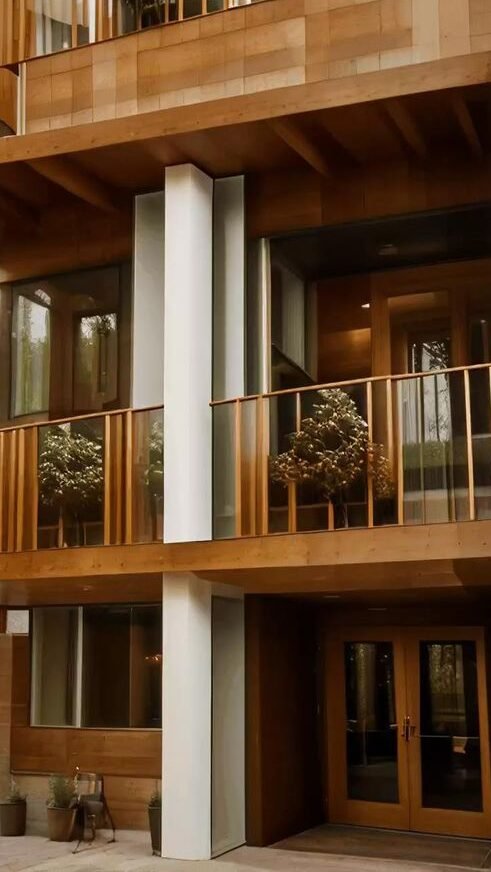
Artificial Intelligence in Architecture is fundamentally changing the way we practice design. You need to learn new digital methods to stay ahead.
The architectural design process now struggles to meet today’s needs. Cities grow fast, space is tight, and we must build in cleaner ways. These hard demands call for tools that do more than old methods.
This complexity is why using AI is now a must for anyone who wants to lead. AI in Architecture offers powerful solutions for optimizing resource allocation. It handles repeat tasks so you can focus on creative work. To learn more, read our guide on AI in Architecture.
The clear benefits of AI in architecture can help protect the careers of new professionals. AI greatly enhances efficiency by automating labor-intensive tasks like generating early-stage design iterations.
This faster workflow helps you finish projects sooner and with better accuracy. This is the new minimum standard for high-performance firms.
AI helps most with project data and accuracy. It checks codes in real time and stops costly mistakes in the architectural design process. This focus on efficiency and error reduction significantly improves project profitability.
Furthermore, AI is a crucial driver for achieving global sustainability goals. Artificial Intelligence in Architecture lets you test energy use early and pick low-carbon materials that work best.
Here are the primary ways that AI integration secures your professional future:
| Benefit Category | Impact on Workflow | Career Advantage |
| Efficiency | Automates drafting, documentation, and data analysis. | Increases individual productivity and billable hours. |
| Accuracy | Real-time code compliance and error/clash detection. | Minimizes liability and costly project rework. |
| Sustainability | Optimizes energy use and material choices via simulation. | Essential skill for green building certifications and demand. |
| Creativity | Explores thousands of design options (Generative Design). | Frees the human mind for conceptual and critical decision-making. |
Adopting AI is the definitive way to prove you are ready for a leadership role. You should use the benefits of AI in architecture to make your portfolio stand out. This skill shifts you from learning ideas to using new tech in real work.
From BIM to Generative Design: Practical AI Tools for Your Workflow
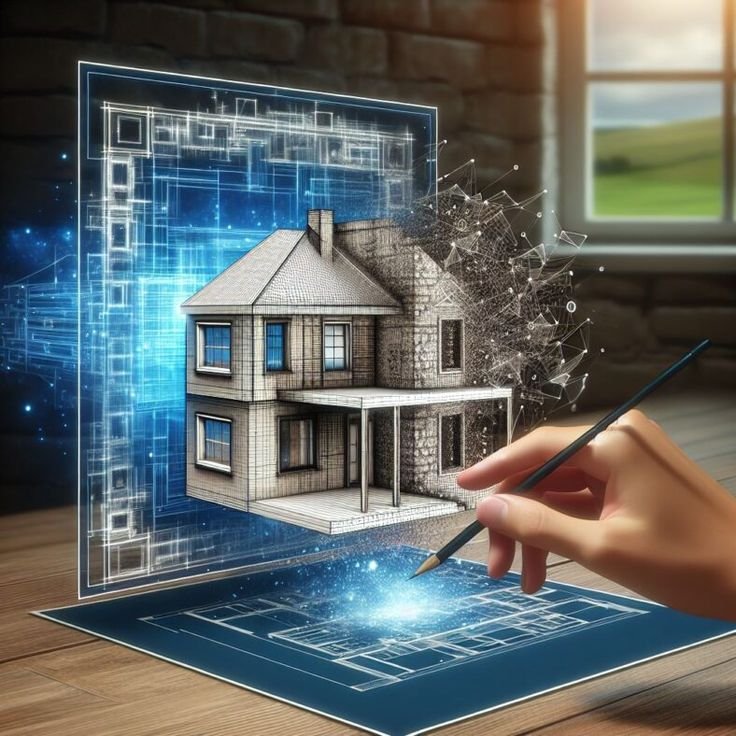
You must first understand the foundation for effective AI use. That foundation is Building Information Modelling (BIM). BIM provides the structured data that AI requires to deliver meaningful outcomes.
AI needs reliable data to function optimally within the architectural context. You must learn BIM skills first. This is your necessary first step. This skill helps you use AI-driven conceptual design tools for modern architects. You can master this skill. Take dedicated Building Information Modeling (BIM) Courses.
The shift to AI fundamentally empowers your creative output. AI-powered generative design tools represent the biggest workflow revolution you can adopt. You enter your goals and limits. The AI then tests many design options.
These generative tools eliminate the tedious trial-and-error process of manual iteration. You only work on the top AI ideas that fit the client’s needs. You leverage AI-powered generative design tools to produce complex yet highly optimized forms.
You gain more power with simple tools that speed your work. Specialized AI tools for architects do material checks and early structure tests. They remove slow, heavy tasks. You finish better work much faster.
You need AI-driven conceptual design tools for modern architects to stay strong in the field. This shift is more than one new tool. It means adding smart tech to your whole workflow. With AI, you move from slow fixes to quick, planned improvement.
| AI Tool Type | Core Function | Practical Application |
| Generative Design | Iteration and Optimization | Finding the most efficient core layout or facade geometry. |
| AI Mapping/Modeling | Data Translation | Auto-generating 3D models from 2D images or point clouds. |
| Predictive Analytics | Performance Forecasting | Estimating construction cost and risk based on early design inputs. |
Mastering these specialized AI tools for architects helps secure your future in the field. You show employers you can handle projects with strong speed and clear skill.
Use these AI-driven conceptual design tools for modern architects to build a future-ready portfolio. You show a clear edge at once. You must speak well about Building Information Modelling (BIM) and AI.
Beyond Drafting: How AI Reimagines Client Communication and Visualization
AI shifts your focus beyond just drafting blueprints. You now use intelligent systems to enhance client interactions. This dramatically improves how people understand and approve your designs.
AI directly accelerates the visualization process. You create photorealistic renderings faster than ever before. This is one major advantage of using AI in architectural design.
Traditional architectural drawing software required many hours for rendering updates. Now, AI architecture design software generates high-quality images in minutes. This speed lets you rapidly show clients multiple design options.
You gain a powerful edge through immersive technology. AI is critical in powering advanced AR and VR experiences. Learn more about the future of visualization. Read Virtual Reality’s Impact on Architectural Experience.
These tools create immersive walkthroughs for clients. They help clients feel and understand the space before construction even begins. This reduces miscommunication and speeds up decision-making.
AI also enhances the communication of complex data. It translates performance metrics into easily understood visual reports. This feature of AI in architectural design builds trust with stakeholders.
You must leverage these visualization tools to secure project approvals. Use AI architecture design software to show the client their future building in detail. This ensures your final design aligns perfectly with their vision.
The following client-facing functions are rapidly being transformed by Artificial Intelligence in Architecture:
- Real-time Rendering: Instantly update visuals during client meetings.
- Immersive Walkthroughs: Offer clients virtual access to the proposed structure.
- Data Translation: Simplify complex energy and material data into clear graphics.
Mastering these tools shows firms you bring strong client results. You must move from basic architectural drawing software to advanced AI image tools. This skill helps you earn top roles. Clear communication makes you key to any team.
Future-Proofing Your Career: AI, Skills, and What Comes Next
We know you worry about the future of your profession. You ask: Will AI replace architects in the coming years?
AI is merely a powerful tool for augmentation, not a replacement for human judgment. AI will not replace creative architects. But architects who refuse AI will fall behind in the Future of Architecture in India: What You Can Expect. Architects must maintain command over the creative and ethical decisions in every project.
The future demands that you master AI-driven conceptual design tools for modern architects. These tools handle repetitive analysis and iteration. This frees your mind to focus on high-level design strategy and client empathy.
You need to focus your upskilling efforts on two key areas. First, master specialized AI tools for architects like Generative Design platforms. Next, build the human skills AI cannot copy. Focus on negotiation, creativity, and clear judgment.
You must view AI as a vital leverage point for your career growth. Those who master AI-driven conceptual design tools for modern architects will run the most efficient firms. You gain a powerful competitive advantage by embracing this technology now. Mastering specialized AI tools for architects is no longer optional for career survival.
Frequently Asked Questions (FAQ)
- How can AI help with sustainability in design?
AI runs complex simulations using environmental data like sun and wind. This optimization delivers huge benefits of AI in architecture by making structures energy-efficient.
- Is specialized training necessary to start using AI tools?
Yes, you need formal training to truly leverage AI for architectural design. This training includes computational thinking to accurately interpret AI outputs.
- What part of the process is best suited for AI?
AI excels in the initial analysis and conceptual phases. It runs many tests. It checks your code. It saves you time for creative work.
- What is the first step an emerging professional should take to master AI?
Start by learning the basics of AI design tools for modern architects. Look for educational options that emphasize hands-on application and practical workflow integration.
- Where can I find programs that teach the future of AI in design?
Look for schools that use AI in Architecture in their main courses. These programs connect classroom learning to real work. They follow new trends in courses for Architecture Engineering.
Conclusion
We have established that Artificial Intelligence in architecture offers a huge opportunity. It is not a threat to your career, but it enhances your creativity and efficiency. The entire industry is already shifting toward these new computational workflows.
Architects who master these tools now will become the industry leaders tomorrow. You must take control of your career path immediately. Do not wait for your competition to move past you.
You need pragmatic, authoritative training to fully leverage this technology. TKM School of Architecture is committed to providing this specific expertise. We offer the training you need to master AI for architectural design.
Connect with our admissions team today to explore our innovative programs. Ensure your professional knowledge is ready for the future of design.